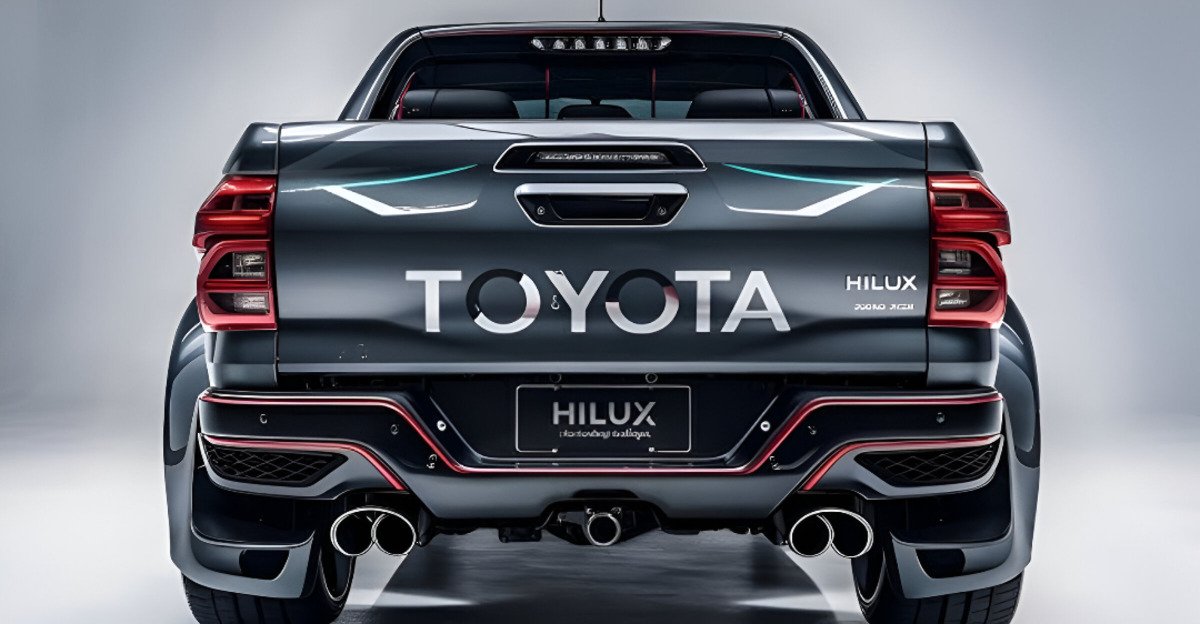

Hey folks, if you’re into tough trucks that can handle anything from city streets to muddy trails, the Toyota Hilux has always been a go-to. Now, with the 2026 redesign, it’s getting a fresh look and some smart updates. This pickup isn’t reinventing the wheel—it’s more like giving it better treads. Based on leaks and spy shots, Toyota’s keeping what works while adding bits that make life easier.
Engine and Stylish Design
The heart of the 2026 Hilux stays reliable, but with a rugged twist. Under the hood, you’ll find the familiar 2.8-liter turbo-diesel four-cylinder engine, bumped up with 48-volt mild-hybrid tech for smoother starts and a bit more pep. It pumps out around 201 horsepower and 369 lb-ft of torque—enough to tow up to 7,700 pounds without breaking a sweat. There’s also a smaller 2.4-liter option for lighter duties, and whispers of a plug-in hybrid down the line for eco-conscious haulers. No full electric yet, but Toyota’s testing prototypes, so who knows?
Smart Technology: Connected and Convenient
Inside, the 2026 Hilux feels like a step up from the old cab’s dated vibe. Leaked patents hint at a full dashboard overhaul, with a massive 12.3-inch touchscreen dominating the center. It’s running Toyota’s latest infotainment, wireless Apple CarPlay, Android Auto, and over-the-air updates to keep things fresh. Navigation’s sharper, and there’s a digital gauge cluster that switches views on the fly.
Mileage: Efficiency You Can Count On
Who doesn’t love a truck that sips fuel instead of guzzling it? The mild-hybrid setup on the 2.8-liter diesel should nudge efficiency up to about 25-28 mpg combined—better than the current model’s 22-24 mpg. That’s thanks to regenerative braking and smarter engine mapping that cuts idle times. The 2.4-liter version might hit 30 mpg highway, ideal for daily commuters who need payload without the penalty.

Price: Affordable Adventure Awaits
Toyota’s keeping the Hilux wallet-friendly, but don’t expect sticker shock to vanish entirely. Base models should start around $28,000-$30,000 before fees, climbing to $50,000-plus for loaded GR Sport trims with extras like leather seats and off-road suspension. That’s a bump from today’s prices, thanks to inflation and tougher emissions rules, but still a steal compared to flashier competitors.